
Located just 60 minutes from Gqeberha (Port Elizabeth), Addo Elephant National Park stands as South Africa’s third-largest wildlife sanctuary. It holds the prestigious title of being the only park in the world to protect the Big 7. This means that in addition to the land-based Big Five—Elephant, Lion, Leopard, Rhino, and Buffalo—the park’s boundaries extend to the ocean to shelter the Southern Right Whale and the Great White Shark.
The park’s history is a remarkable conservation success story. Founded in 1931 to save the last 11 elephants in the region, Addo now protects a thriving population of over 600 elephants and a vast array of other mammals. To support this incredible biodiversity, the park has expanded significantly over the years. Today, it stretches from the Sundays River to Alexandria and includes the St. Croix and Bird Island marine reserves. These protected waters serve as vital breeding grounds for African penguins and Cape gannets, making Addo a truly diverse land-and-sea destination.
Why Visit Addo Elephant National Park?
While famously known for its thriving elephant population, Addo Elephant National Park also captivates visitors with its dense, vibrant vegetation and diverse wildlife. This unique ecosystem provides a sanctuary for a wide array of birds and animals, making the landscape even more breathtaking.
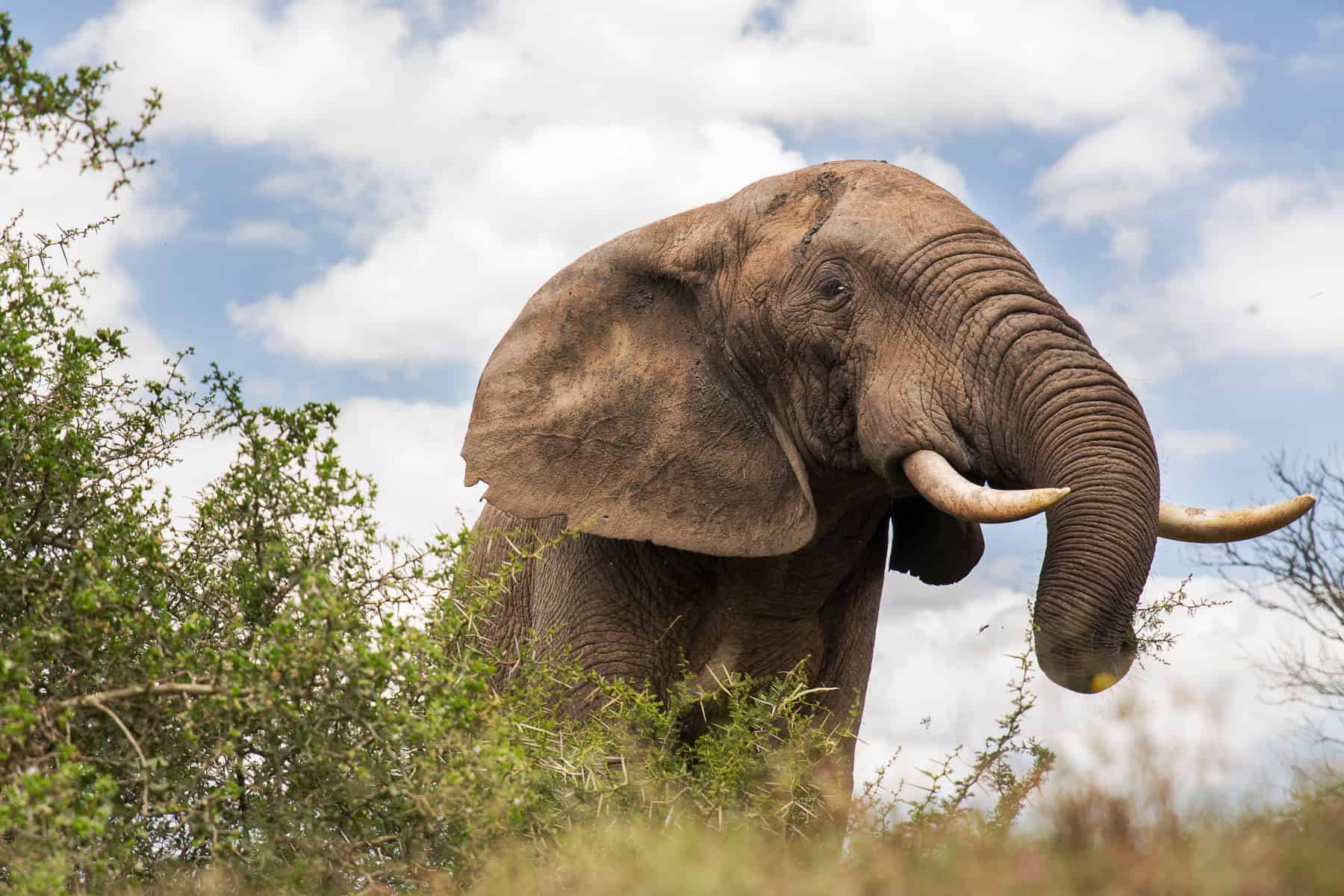
Just as polar bears define the Arctic, elephants represent the heart and soul of Addo. Without these iconic giants, the park would lose its distinct identity. Currently, the park protects over 600 of these magnificent creatures. Consequently, watching large herds gather in the open plains offers an awe-inspiring spectacle that few other places on Earth can match.
Furthermore, the park’s commitment to conservation ensures that these elephants continue to roam freely in their natural habitat. As a result, travelers can enjoy one of the most reliable and spectacular elephant-viewing experiences in South Africa.
Animals
For travelers seeking the ultimate South African safari. Addo Elephant National Park offers a premier experience, especially for those who adore Africa’s giants. While the massive elephant population remains the top attraction, the park proudly hosts all of the Big Five. Consequently, lucky visitors often encounter lions prowling the plains during the early morning hours.
Beyond the famous giants, the park is home to several elusive species. For instance, the shy black rhino typically remains hidden within the dense thickets, making a sighting a rare and rewarding event. Interestingly, you will not find giraffes here, as they are not native to this specific region. Similarly, hippos reside only in the remote and rarely visited Zuurberg Mountains section of the park.
As you explore the landscape, keep an eye out for unique antelope species such as the majestic greater kudu, red hartebeest, and eland. Additionally, look down at the road for the park’s smallest celebrity: the endemic flightless dung beetle. These fascinating insects officially have the right-of-way on all roads. They play a vital ecological role by recycling nutrients, which directly stimulates the growth of the park’s lush vegetation.
Birds
Photographers and bird enthusiasts will immediately fall in love with Addo Elephant National Park. As it offers an ideal sanctuary for observing diverse avian species. Because the park features a unique blend of open grassy plains and rugged coastal islands, it provides a perfect habitat for birds to live, breed, and thrive.
As you explore the various ecosystems, you will encounter a remarkable variety of species. For instance, the inland sections host the striking Martial Eagle, the Fork-tailed Drongo, and the rare Cape Parrot. You might also spot the Cape Robin-Chat, the Grey Cuckoo-shrike, and the vibrant Hooded Kingfisher darting through the thickets. Meanwhile, the park’s marine section protects the world’s largest breeding colony of Cape Gannets, which congregate on the coastal islands.
Furthermore, the contrasting landscapes ensure that every sighting offers a new and stunning backdrop for your lens. Consequently. Addo has established itself as a premier destination for birding in South Africa, promising unforgettable encounters for nature lovers and professional photographers alike.
Other Activities At Addo Elephant National Park
Beyond its famous giants, Addo Elephant National Park offers a wealth of activities for every type of traveler. Whether you seek heart-pounding adventure or a peaceful connection with nature, the park provides diverse ways to explore the Eastern Cape’s wild beauty.
Top Activities in Addo Elephant National Park
Guided Game Drives: Embark on an exhilarating game drive to witness spectacular concentrations of elephants roaming the savanna. These drives offer the best vantage points for photographing wildlife in their natural habitat.
Immersive Bush Walks: Step out of the vehicle and walk alongside professional guides. As you explore at a relaxed pace, you will discover rare bird species, unique insects, and ancient tree varieties that most visitors overlook.
Scenic Hiking Trails: Challenge yourself on the famous Alexandria Hiking Trail, a premier two-day trek through the stunning Woody Cape section. If you prefer shorter excursions, you can choose from various other well-marked trails that showcase the park’s diverse terrain.
Bedrogfontein 4×4 Trail: For off-road enthusiasts, this 45km rugged track between Kabouga and Darlington offers breathtaking vistas. Furthermore, the trail passes through historical sites where British and Afrikaner troops clashed during the Anglo-Boer War, adding a layer of rich history to your drive.
Hayterdale Mountain Bike Trails: Adventure-junkies can test their skills on hand-built mountain bike tracks. While many paths cater to experts, the park recently added a 12km flatland trail specifically designed for beginners and casual riders.
Consequently, these varied excursions ensure that your visit to Addo remains dynamic and unforgettable. Whether you are trekking through coastal dunes or navigating historic 4×4 passes. You will experience the very best of South Africa’s natural heritage.
How To Get To Addo Elephant National Park?
Reaching the majestic herds of Addo Elephant National Park is a straightforward and scenic journey. To begin your adventure, most international travelers fly into O.R. Tambo International Airport (JNB) in Johannesburg or Cape Town International Airport (CPT).
From these major hubs, you have several excellent travel options:
By Air
You can catch a domestic flight to Chief Dawid Stuurman International Airport (Gqeberha/Port Elizabeth), which serves as the nearest gateway to the park. Since the airport sits just 75 km away, you can easily reach Addo in about an hour. Upon arrival, you will find numerous car rental agencies and taxi services available to facilitate your transfer.
By Road
Alternatively, many visitors choose to drive from Cape Town to Addo along the world-famous Garden Route. This iconic road trip typically takes one to two weeks. Allowing you to explore South Africa’s stunning coastline before arriving at the park.
Before you depart, please ensure you check the latest South African visa requirements, as most international visitors will need a valid permit to enter the country. Consequently, planning your transport and documentation in advance ensures a smooth and stress-free start to your safari experience.
Accommodation At Addo Elephant National Park
Tourists at Addo Elephant National Park can choose from a number of different options when deciding where to sleep with accommodation ranging from luxury safari lodges to lower budget camping.
Lodges
Addo Elephant Safari Lodge: situated near the Yellow side forest. This is among one of the best Addo lodges and has exquisite sights from the hillside.
Camping
Addo Rest Camp provides a diverse range of accommodation units designed to suit every traveler, alongside a wealth of engaging activities. One of the camp’s most remarkable features is the floodlit waterhole lookout point. This complements a unique underground hide for unparalleled, close-up wildlife encounters.
As night falls, you can listen to the evocative calls of lions, spotted hyenas, and jackals; meanwhile, local birds like the francolin and bokmakierie signal the start of each new day. For your convenience, all lodging options sit within easy walking distance of the sparkling swimming pool, on-site restaurant, and shop.
Camper-vans: Travelers choosing a self-drive safari in a campervan can significantly reduce their travel costs by using their vehicle as primary accommodation. By opting to sleep inside their mobile home rather than booking lodges. Guests save on expensive overnight fees while enjoying the freedom of the open road. Consequently, this budget-friendly approach allows you to allocate more of your travel funds toward extended park stays and unique wildlife experiences.
Best Time To Visit
Choosing the ideal time to visit South Africa is essential. Your travel dates directly influence flight prices, accommodation availability, and weather conditions. Additionally, travelers should verify if they require a South Africa visa before finalizing their safari plans.
While wildlife viewing in Addo Elephant National Park remains excellent year-round, the park’s arid climate makes the dry winter months (June to September) particularly rewarding. During this period, animals frequently gather at water holes, offering spectators consistent sightings. However, keep in mind that winter nights can become quite chilly. To stay comfortable, you should pack warm winter clothing for early morning game drives, especially when traveling in an open safari vehicle.