
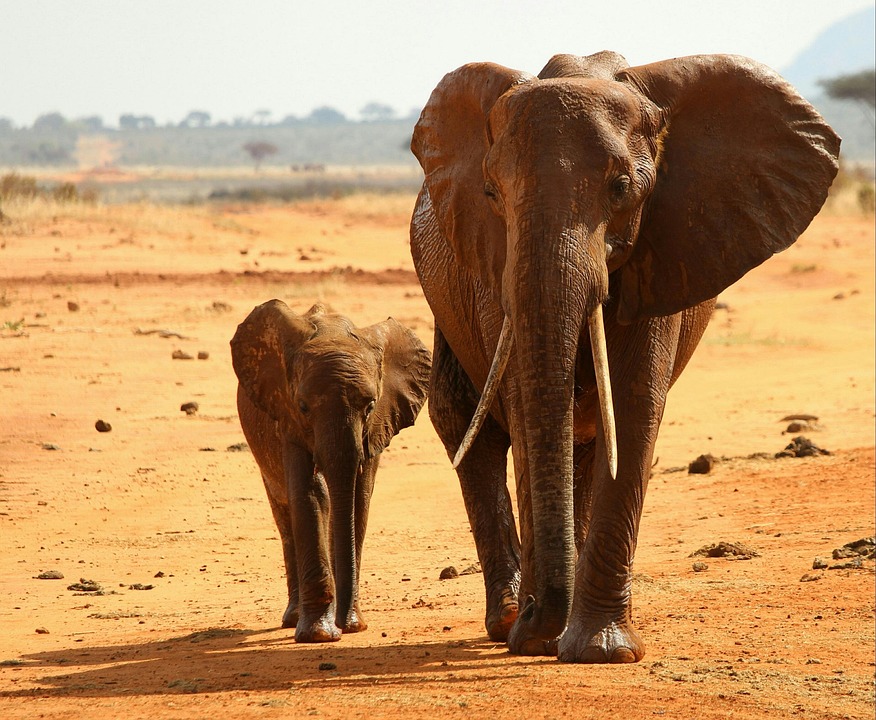
Meru National Park is often an undervalued gem across Kenya and Africa, despite its rich history. Although it suffered significant poaching damage in the early 1980s, the park gained global recognition when George Adamson filmed the iconic “Born Free” here in 1989. Following Adamson’s death, visitor interest declined, but today, Meru has rebounded. It is now celebrated as “complete wilderness” due to its abundant biodiversity. The varied flora, which spans from lush riverbanks to prominent termite mounds, significantly enhances the diverse wildlife habitats found within the park.
Established in 1966, Meru National Park covers 870 square kilometers. The park is easily accessible, located just 350 kilometers from Nairobi on the eastern side of Meru town.
A Haven for the Big Five and Conservation History
The park is a premium safari destination, housing all of Africa’s Big Five: lions, leopards, rhinoceroses, elephants, and buffalo. Other notable wildlife includes zebras, hippos, and oryx.
Meru’s fame is deeply rooted in conservation history, as it’s one of only two places where the celebrated conservationists George and Joy Adamson successfully released the famous lioness, Elsa. The park served as the backdrop for iconic works like “Born Free,” attracting global attention. Elsa was an extraordinary lioness, known for her deep empathy; she would frequently protect young Oryx from danger, including other lions, until they were mature enough to survive on their own.
Following the passing of the beloved lioness, Elsa was interred within the park. In a final demonstration of devotion, Joy Adamson’s ashes were later interred right beside Elsa’s tomb.
Attractions In Meru National Park
Meru National Park, untouched and less congested, presents numerous attractions for tourists. The park offers a diverse array of attractions, including the following.
Adamson’s Falls.
Named in honor of the renowned conservationists, George and Joy Adamson. The park’s first residents, this impressive 50-meter-high cascade is a key attraction. While the nearby Hastings Caves are an essential site to explore, the Adamson Falls (formerly inaccessible) have now been cleared for visitor access. The hike to the falls is challenging and takes approximately 2 to 3 hours, depending on your fitness level. Note that Creekton Falls is located in a higher, more rugged area, requiring visitors to possess advanced hiking skills.
Wildlife species.
Despite being less renowned. Meru National Park is incredibly rich in wildlife, hosting a diverse array of species. notably including the African Big Five: lions, leopards, buffalo, elephants, and rhinos. While spotting leopards can be technically challenging, our seasoned driving guides work diligently to ensure you have the best chance of a sighting during your visit. The park is also home to numerous other fascinating creatures, such as zebras, kudu, giraffes, gerenuk, hyenas, wildebeest, cheetahs, oryx, and hippos.
Burial sites of joy, Adamson and Elsa
Joy Adamson was the wife of George Adamson. They were the first explorers to settle in Meru National Park. They achieved remarkable conservation work and produced numerous documentaries, bringing fame to the park far beyond Kenya. After Joy passed away, George interred her in the park, placing her grave adjacent to that of Elsa, the renowned lioness.
Today, the Adamson family’s residence and burial site remain a foremost tourist attraction at Meru National Park. Visitors flock to this historical location to see the homes and final resting places of the famous cast of “Born Free.” Notably, the Dutch family also frequently visits the site to commemorate their fellow conservationists.
Birds
Meru National Park is an exceptional destination. for bird watching, boasting approximately 300 avian species across its varied landscapes, including wooded areas, swamps, and open savannah. The park protects uncommon native avifauna, which you won’t easily see in other parks. Frequent sightings include the impressive Maasai Ostriches, various guineafowl, the Boran cisticola. The elusive African finfoot, ibises, Palm weavers, fish eagles, majestic Kori bustards, and different species of starlings.
Activities At Meru National Park
Visiting the Gravesite of Elsa and Joy Adamson
This historical site is a pivotal point in Meru National Park’s legacy, honoring the foundational contributions of the Adamson family. Most visitors come to observe the park’s origins. paying their respects at the graves of Joy Adamson and the famous lioness, Elsa. The global success of their book, “Born Free,” significantly boosted the park’s profile. You’ll learn about the unique nature of Elsa, the only lioness known to have defended and nurtured baby Oryx.
Nature Walks and Waterfall Visits
Guests can enjoy guided nature walks within the park. Accompanied by a certified game ranger.Park authorities strictly prohibit guests from walking without a ranger for safety reasons. These walks allow you to traverse the rivers, hike to the waterfall summit (Adamson Falls), explore other scenic locations, and experience a unique perspective by approaching some wildlife on foot.
Birdwatching
Meru National Park is an excellent destination for birdwatching, home to approximately 300 avian species. The park’s 13 rivers create prime habitat for observing various aquatic and resident birds. Notable species you may spot during your excursions include the Chanting Goshawk, Ostrich, Hartlaub’s Bustard, Secretary Bird, Wattled Starling, Saddle-billed Stork, Taita Fiscal, Martial Eagle, Boran Cisticola, Bat Hawk, and Rufous Chatterer, among others.
Premier Wildlife Viewing
Wildlife viewing is the main attraction in nearly all African national parks. it is exceptional year-round at Meru National Park. However, the dry months offer the optimal viewing period. Most tour operators use open safari vans, which provide ample space for clients. This helps observe the Big Game and allow for closer, more immersive encounters during game drives.
The area surrounding the former residence of Elsa, the famous lioness, is rich with wildlife. You can expect to see lions, leopards, elephants, both black and white rhinoceroses, hippopotamuses, crocodiles, hyenas, zebras, topis, kudu, and various other species.
How To Get There.
To reach Meru National Park from Nairobi, travelers have several options, primarily by all-weather road access through the Murera Gate. The distance varies, with the shortest route being 290 km via Embu to the Ura Gate. Two alternative routes, both covering 348 km, lead to the Murera Gate: one travels through Nyeri and Nanyuki, while the other goes via Embu and Meru, with the park junction reached before Mau town. The park features several entry points, including Murera, Bisanadi, Ura, and Kinna gates. For those preferring to fly. The park is well-equipped with 16 airstrips, though only five are frequently used: Kinna, Mulika (near Meru Mulika Lodge), Elsa’s Kopje airstrip, Masanduku, and Murera. Additionally, the Mughwango Airstrip is a private option. A five-minute drive from Elsa’s Kopje lodge, making road and air travel to this unique wildlife destination highly accessible.


