
Gishwati Mukura National Park
Welcome to Gishwati Mukura National Park in Rwanda! From this guide, find the best things to see, things to do, where to stay, when to visit this park and how to get there, tour operators, and so much more.
Gishwati-Mukura National Park is the 4th and Rwanda’s newest National Park; famously known for its diverse plant species, over 60 species of trees like the bamboo and wood, and a large number of Rwanda safari wildlife species, around 84 bird species. It is located in Ngororero and Rutsiro districts in the country’s Western province, covering an area of about 3,558 hectares. This park would have run extinct during the 1994 genocide, whereby most people left the country, others went to the borders of the country; hence, some ended up occupying the Gishwati and Mukura areas; they carried out farming, deforestation, and illegal mining. Gishwati and Mukura are forests. A law established the joint Gishwati-Mukura National Park in September 2015.
About the Park
Gishwati Mukura National Park is one of the youngest national parks in Africa. On 1st of December 2020, Gishwati-Mukura National Park officially opened its doors to the public. Gishwati Mukura is now a National Park, which means that parts of the vast montane forest that once stretched across much of central Africa now have permanent protection. The journey to save one of the last remaining central African montane rainforests of Gishwati Mukura has not come easily, and there has been a long and hard journey leading up to the official opening of Gishwati Mukura National Park. Finally, visitors can now come and experience the forest the way it has been for thousands of years.
The forests of Gishwati Mukura National Park are a fragmented montane rainforest located in Rwanda’s Kivu Belt region. It is part of the Congo-Nile divide forest, which originally stretched over the entire mountain range that divides the Congo Water Basin from the Nile Water Basin, all the way from Congo to Burundi. Today’s remainders of these forest complexes include Gishwati Forest, Mukura Forest, and Nyungwe Forest National Park in Rwanda and Kibira National Park in Burundi.
Things to See in Gishwati Mukura
Gazetted in 2015, Gishwati-Mukura National Park is home to diverse animal species, and they are of interest to visitors on a Rwanda safari. Gishwati Mukura N/P is compact and truly a hidden gem. The 34 km protected area is composed of 2 scenic rainforests- Gishwati (large) and Mukura Forest Reserves. Its forests serve as the main water catchment areas, and it is found along the Albertine rift, making it a home to most of the endemic Albertine rift species.
Wildlife/animals of Gishwati-Mukura National Park
The largest animal or wildlife population in Gishwati-Mukura comprises primates and other primates. The popular primates to explore while at this park include l’hoest monkeys, blue monkeys, vervet monkeys, baboons, black and white colobus monkeys, golden monkeys, and chimpanzees. There are also many small mammals, and they include the black fronted duikers, hyrax, mongoose, and many others.
Birds of Gishwati Mukura N/P
232 bird species live in Gishwati Mukura, and these include about 10 Albertine rift species, and about 163 of them exist at Mukura Forest. The bird species to expect to see include the mountain yellow warblers, Rwenzori batis, Grauer’s swamp, regal sunbird, Rwenzori turacos, martial eagle, purple-breasted sunbird, dusky crimson wing, strange weavers, and many others.
Activities in Gishwati Forest
The chimpanzees of Gishwati forests are, without a doubt, the main draw of the national park, but there are many other interesting activities in the park. Gishwati and Mukura Forests are very unique places, and it’s wonderful to just go for a hike and experience the rainforest, catch your breath, and regain energy from nature. with great hikes in the park, some of which pass by one of the many beautiful waterfalls. There are also several other interesting animal species in the forests apart from the chimpanzees.
Chimpanzee Trekking in Gishwati Forest
A population of around 35 chimpanzees remains in Gishwati Forest. Since Gishwati Forest was only recently made into a national park and has been closed to visitors for many years, this group of chimpanzees has not been habituated. This means that they are not used to humans and will be scared if approached. Chimpanzee trekking is still possible in Gishwati Forest, but not in the same way as with one of the habituated groups in Nyungwe Forest. There is no guarantee of seeing chimpanzees during a chimpanzee trek in Gishwati, and if chimpanzees are spotted, getting close is very difficult.
Hiking in Gishwati Forest
Gishwati Forest has several hiking trails of varied difficulty and with the chance of seeing different animals, insects, and plants. As of now, there are no hiking trails in Mukura Forest, and it remains relatively inaccessible to visitors. Gishwati Forest operates as a national park; consequently, visitors perform all activities alongside a qualified guide.
The guide is included in the price of the entrance fee to the park.
Birding in Gishwati Forest
Gishwati Forest is a truly unique birding habitat with several endemic birds and more than 200 recorded species. For bird watching in Gishwati, you need to go with a professional guide. The park office can supply you with a birding list and a map with recommended trails through the park. If you’d like to take a bird walk with a professional guide, you must arrange this beforehand with the park office.
Contact the park office to arrange this.
Golden Monkey Trekking
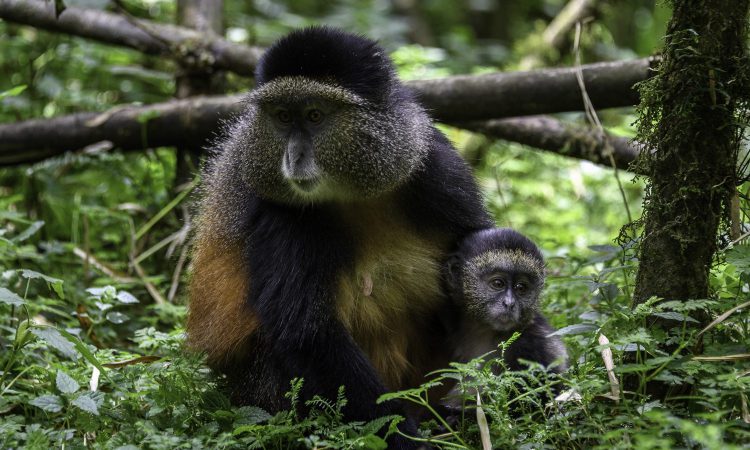
Gishwati Forest hosts several primate species besides the eastern chimpanzee. The golden monkey is the most famous of these species and inhabits large groups throughout the forest.
Trekking these primates can be an interesting experience. you are sure to see many interesting animals during your trek. Golden monkey trekking starts early in the morning with a professional guide from the park. You will spend several hours trekking through the forest in search of one or several groups of primates. The park rangers will locate or know the approximate whereabouts of the primates prior to your arrival, and it needs to be pre-booked through the park office.
Visiting Gishawti Forest National Park
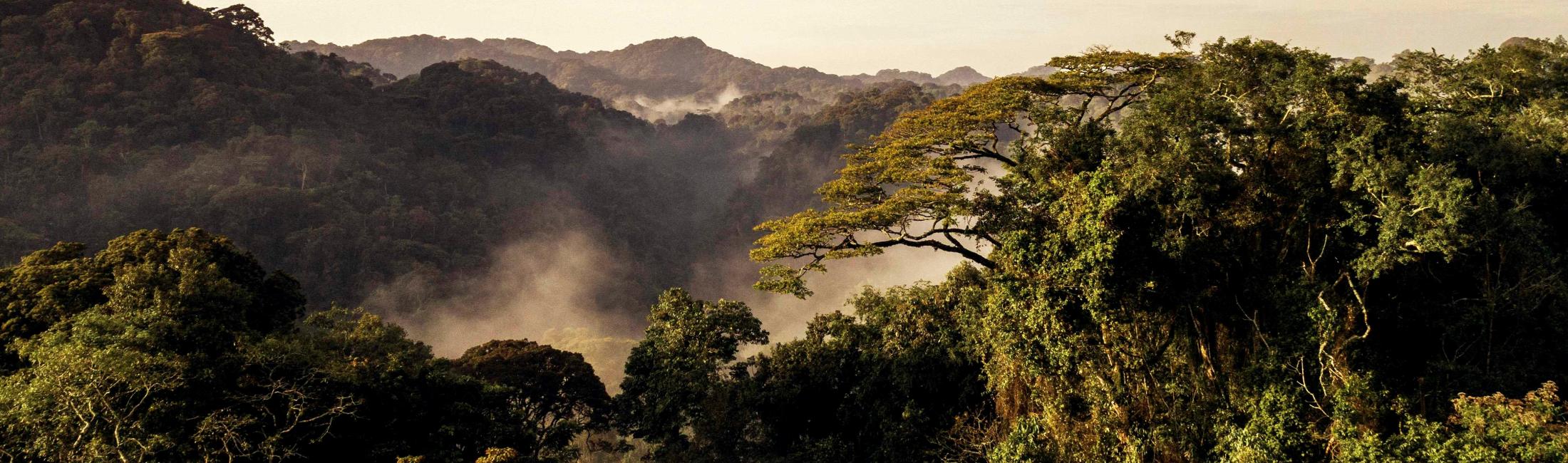
Gishwati Mukura National Park opened for visitors on the 1st of December 2020. At the moment, you can only visit Gishwati Forest.
The Mukura Forest has no infrastructure or hiking trail guides to be able to receive visitors.
Gishwati Forest has several newly constructed hiking trails, and all visitors to the park need to follow these.
The brand-new park office can be found next to the main road at the edge of the forest in the end closest to Rubavu. The current management of Gishwati Forest is a collaboration between the Rwanda Development Board, Forest of Hope Association, and Wilderness Safaris. No visits to the park are allowed without a stay at the Forest of Hope Guest House. Contact Wilderness Safaris, the Park office, or the Forest of Hope Guest House for more information.
Best time to travel
Since the weather and climate conditions remain favorable, visitors visit Gishwati-Mukura National Park all year round. The ideal time is during the dry season. June to September, noted to be the long dry spell, and the short dry months run from December to February.
Getting there
By road travel, getting to Gishwati-Mukura is possible within a 2 to 3-hour drive from Kigali. For a smooth road trip, we recommend a 4×4 drive vehicle.
Health and Safety at Gishwati Forest
During the visit, the guide carries a first aid kit. This provides basic first aid in the event of any medical emergencies. The guide also carries both radio and cell phone contacts with support staff based at the reception center. You shouldn’t hesitate to tell the guide ahead of time if you have any medical conditions that he/she should know about. Helicopter evacuation by Akagera Aviation is available for any emergency
Accommodation
The park offers a small number of accommodation facilities for overnight stays. You can use some of these facilities for a visit to Nyungwe Forest as well. The Gishwati lodge is the most recommended. There are also campsites for budget travelers. The available options for overnight stay at Gishwati-Mukura N/Park include Gishwati Lodge, a luxury accommodation establishment with a capacity of 15 guests, or go on camping tours. Alternatively, visitors can book lodges around Volcanoes National Park or the Lake Kivu area, etc.
Forest of Hope Guest House
The Forest of Hope Guest House and Camp Site is one of the few accommodation options available in Gishwati Forest. Gishwati forest is located around a 40-minute drive from Rubavu. It offers a range of other forms of hotels near Lake Kivu. The campsite is unserviced and only suitable for self-catering guests. Toilet and shower facilities, a small fireplace, a barbecue stand, and water for cleaning and cooking are available.
Gishwati Lodge
Although the six forest lodges at Gishwati are rustic, visitors still experience both an adventurous and luxurious essence. While staying there, you will have an opportunity to enjoy quick access to the chimpanzees and golden monkeys.