
Chimpanzee trekking Safaris are a golden opportunity to experience the ways of life of chimpanzees in their natural habitats. These primates have about 97% of the DNA of humans, hence making them close relatives.
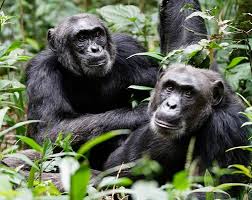
Chimpanzees have unique behavioral patterns and these give you a great experience. Their tool use is exceptional, employing rocks to crack hard nuts and sticks to fetch insects out of holes or mounds. The best time for Chimpanzee trekking safaris in Uganda is usually between June to September and December to February.
Where to go for Chimpanzee Trekking in Uganda:
Uganda boasts of a population of over 5000 chimpanzees, living in the different protected areas around the country. One of these areas include Kibale National Park, the primate capital of Uganda. This national park has over 1500 chimps, making it a premier destination for chimpanzee tracking and research in Uganda. Alongside this population, you’ll enjoy a beautiful sight of other primates such as golden monkeys, blue baboons, white and black colobus monkeys, olive baboons and red colobus monkeys. Kibale not only offers chimpanzee trekking, but also a unique chimpanzee habituation experience.
Other popular destinations include Queen Elizabeth National Park, specifically in Kyambura Gorge “the Valley of Apes” and the nearby Kalinzu Forest Reserve. On the other hand, Budongo Forest, Kaniyo Pabidi and Rabongo forests in Murchison Falls National Park are also great options for this trekking activity.
In addition, Ngamba Island Sanctuary is another ideal destination for viewing chimpanzees. It is located on Lake Victoria and has about 52 chimps, most of these individuals being orphaned infants, ex-pets or poaching survivors. Visitors at the sanctuary can watch, feed and also play with the chimpanzees.
What to carry for Chimpanzee trekking:
- A raincoat or Umbrella
- Steady hiking boots with great grip.
- Light-weight and long sleeved shirts to protect you from insect bites.
- Long trousers to protect you from vegetation and insects.
- Insect repellent
- Sunscreen and a hat.
- A camera with extra batteries but no flashlight


