
7 Day Uganda Birding Tour
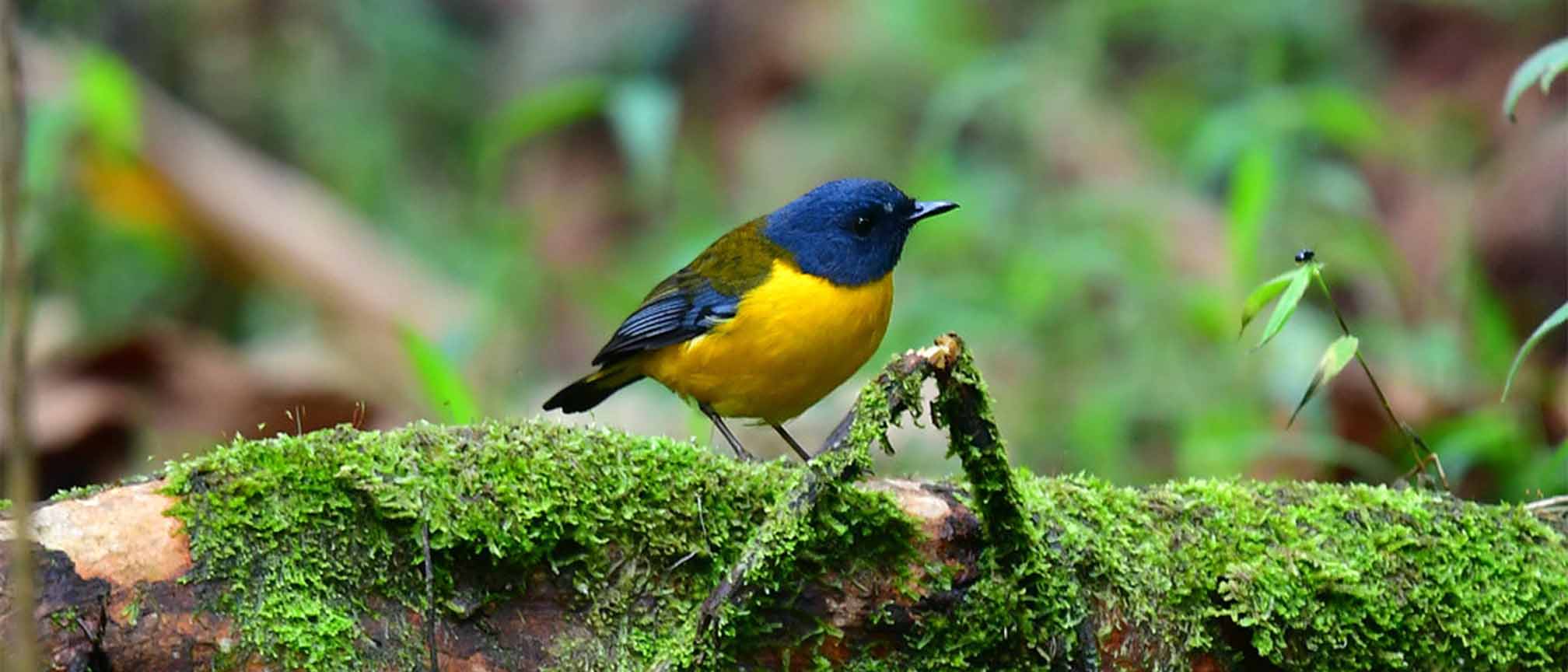
Our 7 Day Uganda Birding Tour explores four of Uganda’s best birding spots and wildlife safari parks, which include Kibale Forest, Queen Elizabeth National Park, Mabamba swamp, Bwindi Impenetrable, and Lake Mburo National Park. You will see many endemic birds of Uganda. You will also have some time to marvel at some of Africa’s rarest wildlife, and all this amidst spectacular scenery, including Africa’s largest lake/the world’s largest tropical lake, Lake Victoria.
Some of the many regional specials and endemic birds that we will target on this tour are the incredible Shoebill stork, the African broad bill, the Green-breasted pitta, the Great Blue Turaco, Ross’s Turaco, African Grey Parrot, African Fish Eagle, Black Bee-eaters, Papyrus Gonolek, Bar-tailed Trogon, Narina Trogon, Neumann’s Warbler, Chapin’s Flycatcher, and Red-faced Barbet.
Trip Highlight
Day 1:Arrival in Entebbe
Day 2: Morning birding in Mamba swamps and transfer to Kibale National Park
Day 3: Kibale forest chimpanzee tracking and birding
Day 4: Queen Elizabeth National Park To Bwindi Impenetrable National Park
Day 5:Birding in Bwindi Impenetrable And Optional Tracking
Day 6: Transfer To Lake Mburo National Park
Day 7: Lake Mburo National Park to Entebbe
Detailed Itinerary
Day 1: Arrival in Entebbe
Upon arrival at Entebbe Airport, a representative of Africa Safaris Tours will be there to welcome you to the country. From there, you will be taken on a drive-by tour of the city en route to your accommodation in Entebbe.
Entebbe city is located in central Uganda, about 40km southwest of the capital city Kampala It is stunningly situated on the shores of Africa’s largest lake, Lake Victoria. The tropical sun, fresh air, and relaxed pace of life will make you feel at home in the pearl of Africa. You will have some time to relax and refresh
Day 2: Birding in Mamba Wetland and Transfer to Kibale National Park
Day two of your 7-day Uganda birding tour will start with an early breakfast in the hotel/guest house. You will then check out and set off. The first stop is the legendary Mabamba Swamp, about a one-hour drive to the north.
This extensive 16,500-hectare wetland is situated on the shores of Lake Victoria and is a Ramsar Wetland of International Importance. It is home to several pairs of Shoebills, the most famous and iconic avian residents of Uganda. This prehistoric-looking bird is very high on most world birders’ watch lists.
You will do your bird-watching adventure from a big traditional canoe paddled by an expert local bird guide.
You will search the maze of channels in an attempt to find this special species. Other water birds abound, and you should find several species of egrets, waterfowl, and herons. Long-toed Lapwing, the ever-present African Fish Eagle, Blue-breasted Bee-eater, tricky lesser jacanas, African Marsh Harrier, Malachite King fisher and Pygmy Goose.
The papyrus hosts the endearing Swamp Flycatcher, Blue-headed Coucal, White-winged Swamp Warblers, the indescribable Papyrus Gonolek, and the nomadic and unpredictable Weyn’s Weaver. If you’re very lucky, you may also see the rare Sitatunga, an elusive swamp-dwelling antelope.
From there, you’ll begin a fairly long journey of about 5 hours west to Kibale Forest National Park. You will stop for lunch en route as you continue on your drive. Expect to arrive at your overnight accommodation in the late afternoon.
Accommodation options: Kyaninga Lodge(luxury)
Day 3: Kibale Forest -Chimp tracking and Birding
The towering Kibale Forest National Park has the highest primate density and diversity of any reserve in Africa, including over 1500 chimpanzees, our closest living relatives.
Other primate highlights include sightings of localized Central African Red Colobus, handsome L’Hoest’s Monkey, and the scruffy Ugandan Grey-cheeked Mangabey. You will embark on a Chimpanzee trek, and our chances of finding these, one of our closest living relatives, are excellent!
Birds are typical of the medium-altitude forest, with excellent mixed species flocks and specials such as Afep and the rare and globally threatened White-naped Pigeon, Red-chested Owlet, Blue-throated Roller, Narina Trogon, African Shrike-flycatcher, Scaly-breasted Illadopsis, Brown Illadopsis, Chestnut Wattle-eye, and Black-and-white Mannikin.
The stunning Green-breasted Pitta also occurs in this forest; however, a pre-dawn start and a good deal of luck and perseverance will be needed to locate this mythical low-density understory inhabitant! At night, you may encounter bushbabies and African Wood owls
Accommodation: primate lodge(luxury) ,Kibale Forest Camp
Day 4: Queen Elizabeth National Park And Bwindi Impenetrable
We head southwards to the famous Bwindi Impenetrable National Park, a gorilla conservation stronghold. drive through the beautiful Savannah grassland of Queen Elizabeth National Park, a UN Biosphere Reserve that is home to over 600 bird species and 95 species of mammals, including rare tree-climbing lions.
After a slow drive through Queen, you’ll continue to Bwindi, where you’ll be based for 3 nights. Bwindi is a UNESCO Natural World Heritage Site and is home to about half of the world’s population of endangered Mountain Gorillas.
The 32Km park offers some of the most productive montane forest birding in Africa. Excellent Forest birding, not least the prospect of numerous rare and localized Albertine Rift endemics, makes this a true birding Mecca.
Accommodation options:Buhoma lodge(luxury ), haven lodge(mid range)
Day 5:Bwindi Impenetrable National Park-Birding and optional Gorilla trekking
From your comfort, you will depart for an optional gorilla trek searching for habituated families of these humble forest giants. Spending an hour with these creatures is an amazing experience of a lifetime.
Spend the rest of your time birding the trails leading out of the camp. Special species you will look out for include Bar-tailed trogon, olive long-tailed cuckoo, and Equatorial Akalat
Bellied Crested Flycatcher, White-eyed Slaty Flycatcher, Northern Double-collared Sunbird, Willcocks’s Honeyguide, Black-billed Weaver, Magpie Mannikin, and the newly described Willard’s Sooty Boubou.
Highly exposed perches in the open forest are favored by African Goshawk, the dazzling Black Bee-eater, Sooty Flycatcher, and forest starlings, including Narrow-tailed and Waller’s
Accommodation: Buhoma lodge
Day 6: Bwindi To Lake Mburo
Day 6 of your 7-day Uganda birding tour will start with an early breakfast and then check out of your accommodation.
You will then head northeast towards your final park of this fantastic birding safari, the Lake Mburo National Park. The drive to Mburo will take about 5 hours, but you will still look for birds and make rest stops as needed.
You will enter Mburo through the Sanga Gate. Just outside the park, you’ll come across some of the world-famous long-horned Ankole cattle of the Bahima people that live in the area -always a highlight and worthy of a few photos.
The 260km2 park is a superb wetland and Acacia savanna sanctuary that is a famous spot for serious birders. Together with 13 other lakes in the area, Lake Mburo forms part of a 50 km-long wetland system linked by a swamp. Five of these lakes lie within the park’s borders. Some of the avian gems of the park you will look for include the localized Red-faced Barbet, African Marsh Harrier, white-headed vulture, Black-bellied Bustard, Red-headed Lovebird, Ross’s Turaco, Green Wood Hoopoe, Common Scimitarbill, White-headed Barbet, Nubian Woodpecker, Tropical Boubou, Woodland Kingfisher, Long-tailed Cisticola, Yellow-breasted Apalis, Green-capped Eremomela, and Meyer’s Parrot.
Accommodation: Buhoma lodge
Day 7:Transfer To Entebbe And Departure
After your early morning breakfast, you will undertake a short private boat cruise on the lake, your last safari activity of this 7-day Uganda birding tour. This is one of the most beautiful boat cruises you can imagine. Apart from the stunning scenery, you will hope to tick some special final species for your trip, including the African finfoot, Squacco Heron, Water Thick-knee, Pied and Giant Kingfisher, and loads of Hippopotamus.
After the boat cruise, you will embark on the transfer to Entebbe, about 4 hours away.
End of Tour